
When you work in a lab, choosing the right centrifuge can make all the difference in your results. Different types serve distinct purposes, from quick spins of small samples to high-speed separations at a molecular level. You’ll also find options that protect sensitive materials by controlling temperature. Understanding how each type functions and when to use it can streamline your workflow and improve accuracy—so it’s worth getting familiar with their key features.
How Do Lab Centrifuges Separate Samples?
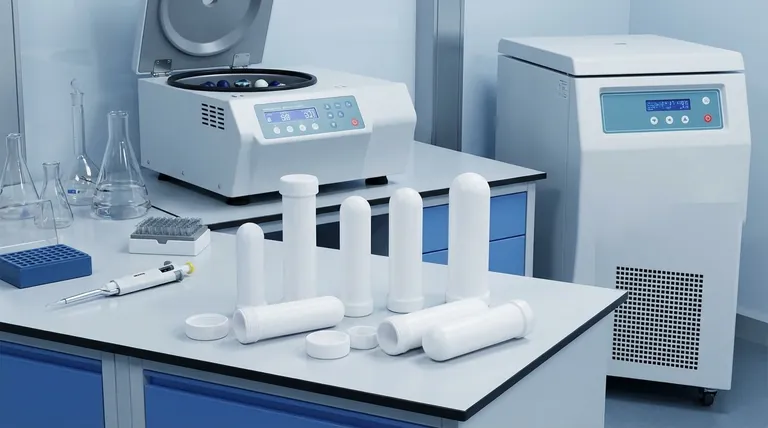
How exactly do Lab centrifuge separate samples? You spin your sample tubes at high speeds, creating a powerful force that pushes components outward. This force, called centrifugal force, drives denser particles to the bottom while lighter ones stay near the top. It’s like giving your mixture a quick, intense shake that sorts everything by weight.
You control speed and time, tailoring the process to your sample’s needs, so you get precise separation without unnecessary steps. This method liberates you from manual separation, saving time and effort.
Microcentrifuges: Features and Common Lab Uses
Once you understand how centrifugal force separates sample components, it’s easier to see why microcentrifuges are a staple in many labs. These compact devices spin tiny tubes at high speeds, helping you quickly separate liquids from solids or isolate specific molecules.
You’ll appreciate their user-friendly design, which fits easily on your bench and requires minimal space. Microcentrifuges offer fast turnaround times and simple controls, letting you focus on your work without hassle.
Whether you’re spinning down cells, clarifying solutions, or preparing DNA samples, they deliver reliable results every time. By choosing a microcentrifuge, you gain precision and efficiency without sacrificing freedom or flexibility in your workflow.
It’s a practical tool that streamlines routine lab tasks with ease.
Ultracentrifuges: High-Speed Lab Centrifuges
Although ultracentrifuges may seem complex, they provide unmatched speed and power for separating tiny particles in your samples. When you need to isolate viruses, proteins, or nucleic acids, these high-speed lab centrifuges spin at incredible speeds—often over 100,000 rpm—creating forces strong enough to separate components at the molecular level.
This lets you achieve precise results quickly, freeing you from slower, less effective methods https://laballiance.com.my/. Ultracentrifuges offer flexibility too, accommodating different rotor types and sample volumes based on your needs.
Refrigerated Lab Centrifuges: Keeping Samples Cool
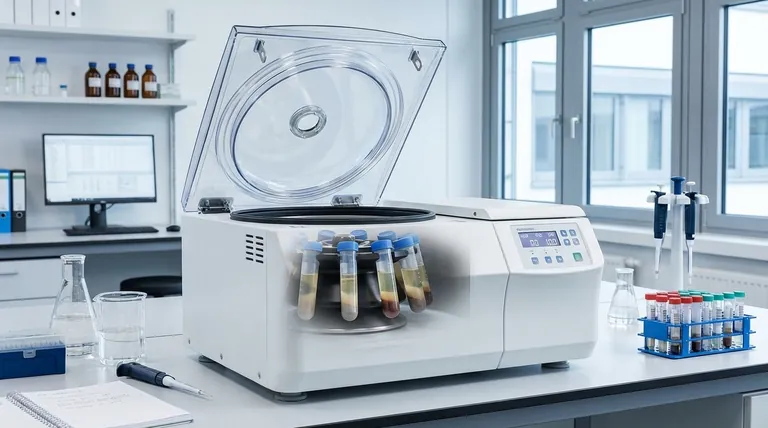
High-speed centrifuges like ultracentrifuges generate significant heat during operation, which can affect sensitive samples. That’s where refrigerated lab centrifuges come in—they keep your samples cool throughout the process, preserving their integrity.
When you need to separate temperature-sensitive materials like proteins, enzymes, or blood components, these centrifuges maintain a controlled environment, preventing degradation. You won’t have to worry about heat altering your results or damaging delicate specimens.
Plus, many models offer adjustable temperature settings, giving you the flexibility to match your experiment’s needs. By using a refrigerated centrifuge, you guarantee consistent, reliable outcomes every time.
It’s a smart choice when precision and sample preservation matter most, freeing you to focus on your research without compromise.
How to Choose the Right Lab Centrifuge
Choosing the right lab centrifuge depends on several key factors that match your specific research needs.
First, consider the type of samples you’ll work with—volume, density, and sensitivity matter.
Next, check the centrifuge’s speed and capacity; you want one that handles your workload efficiently without overcomplicating operations.
Think about whether you need temperature control—refrigerated models protect heat-sensitive samples.
Also, evaluate rotor compatibility for flexibility in your protocols.
Don’t forget ease of use and maintenance, which save you time and hassle.
Finally, balance quality and budget; investing in a reliable centrifuge guarantees consistent results and freedom to explore your experiments without technical limits.
Conclusion
Now that you know the different types of lab centrifuges and their unique features, you can pick the one that fits your needs perfectly. Whether you’re handling small samples with a microcentrifuge, separating molecules with an ultracentrifuge, or keeping sensitive samples cool with a refrigerated centrifuge, selecting the right tool guarantees accurate and efficient results. Trust your specific requirements—speed, volume, and temperature—to guide your choice and boost your lab’s success.